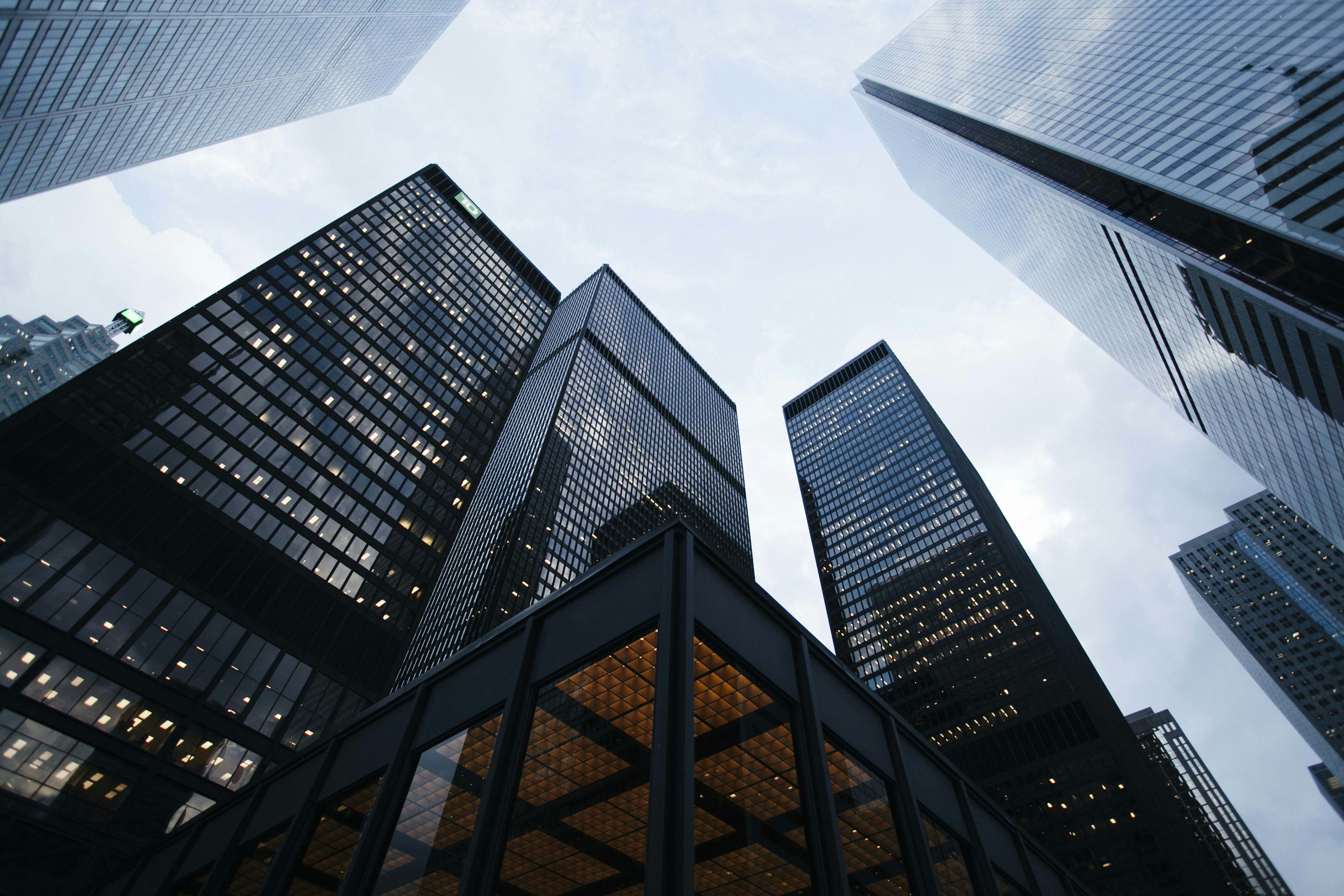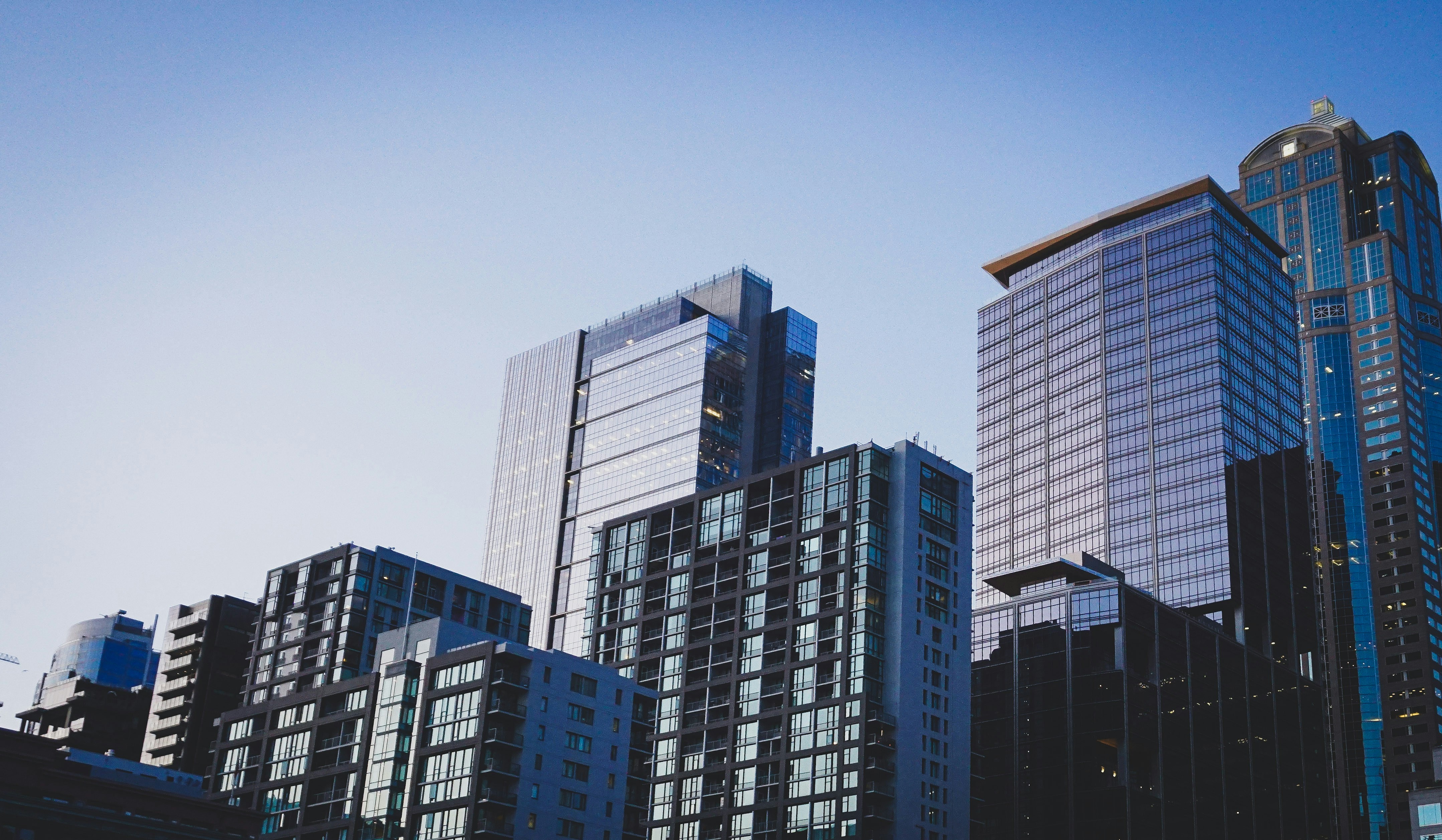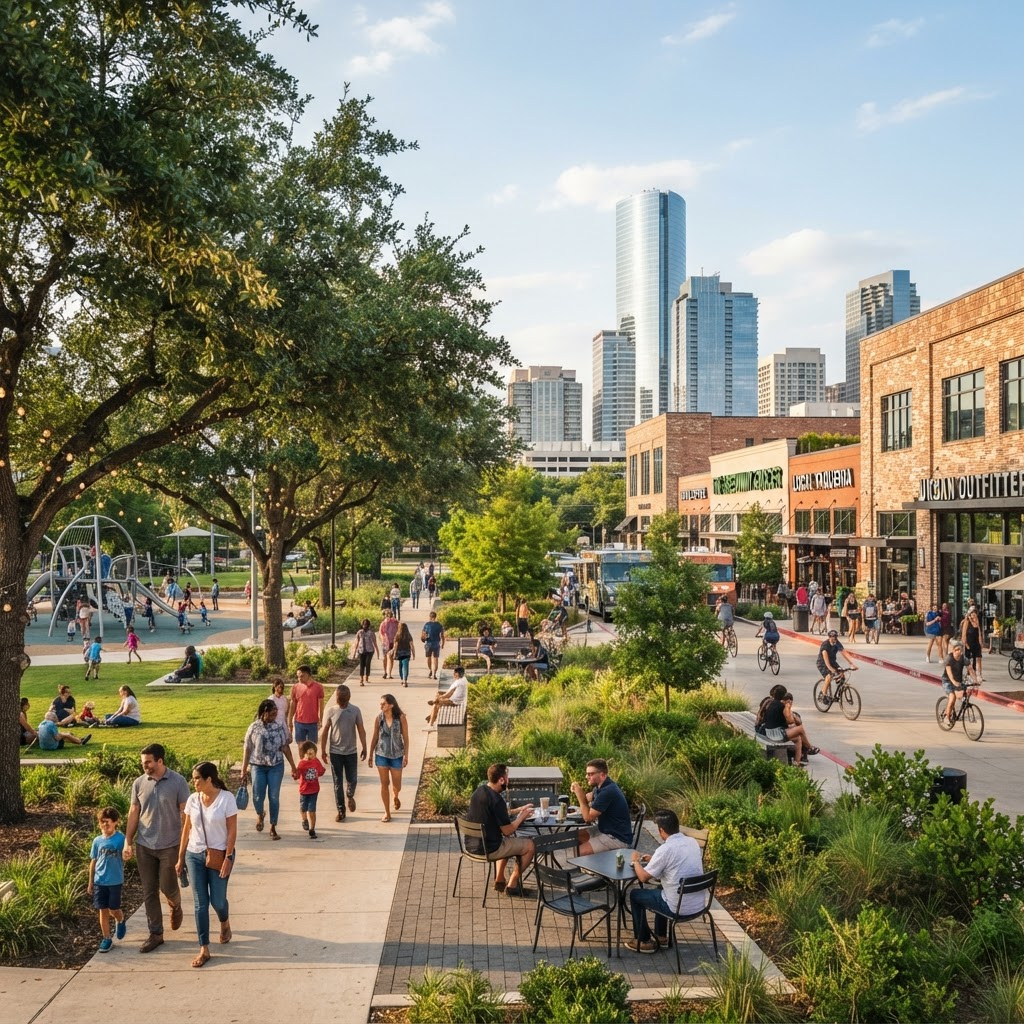
For decades, the Houston skyline has been defined by the ambitious, glass-paned silhouettes of the inner loop, yet few districts have undergone as profound a metamorphosis as Greenway Plaza. Once dismissed as a siloed corporate monolith, a 1970s experiment in "city-within-a-city" planning, Greenway Plaza has emerged by 2026 as the most compelling value proposition for the sophisticated urban investor.
While the leafy, heritage-heavy streets of River Oaks and the academic prestige of West University Place have long held the crown for established wealth, the savvy capital is currently flowing toward the district situated precisely between the commerce of the Galleria and the cultural pulse of Montrose.
The narrative of Houston real estate is shifting. We are seeing a marked departure from the sprawling suburban models of Memorial and the historic preservation constraints found in The Heights. Instead, investors are seeking high-density, amenity-rich environments that offer both liquidity and lifestyle.
The Evolution of Greenway Plaza: Adaptive Reuse and Zoning Shifts
The primary driver of the Greenway Plaza renaissance is the strategic conversion of underutilized 20th-century commercial assets. With 2026 vertical zoning and 'missing middle' residential expansion encouraging high-density residential infill, developers are aggressively pivoting away from outdated office floorplates. We are seeing the rise of high-end, boutique residential lofts that prioritize volume, light, and modern industrial aesthetics.
This transition is not merely cosmetic. It is structural. By repurposing legacy commercial skeletons, these adaptive reuse projects are delivering units with 12-foot ceilings and expansive floor-to-ceiling glass that compete directly with the ultra-luxury offerings found in River Oaks high-rises, yet often at a more attractive entry point.
For the investor, this creates a unique arbitrage opportunity: purchasing property in a district currently in the "conversion phase." As these older office structures are replaced or reimagined, the surrounding residential corridors, particularly the mid-rise condominiums and townhomes lining the perimeter, benefit from a "halo effect." When an entire district upgrades its architectural fabric, the property values within a three-block radius invariably trend upward.