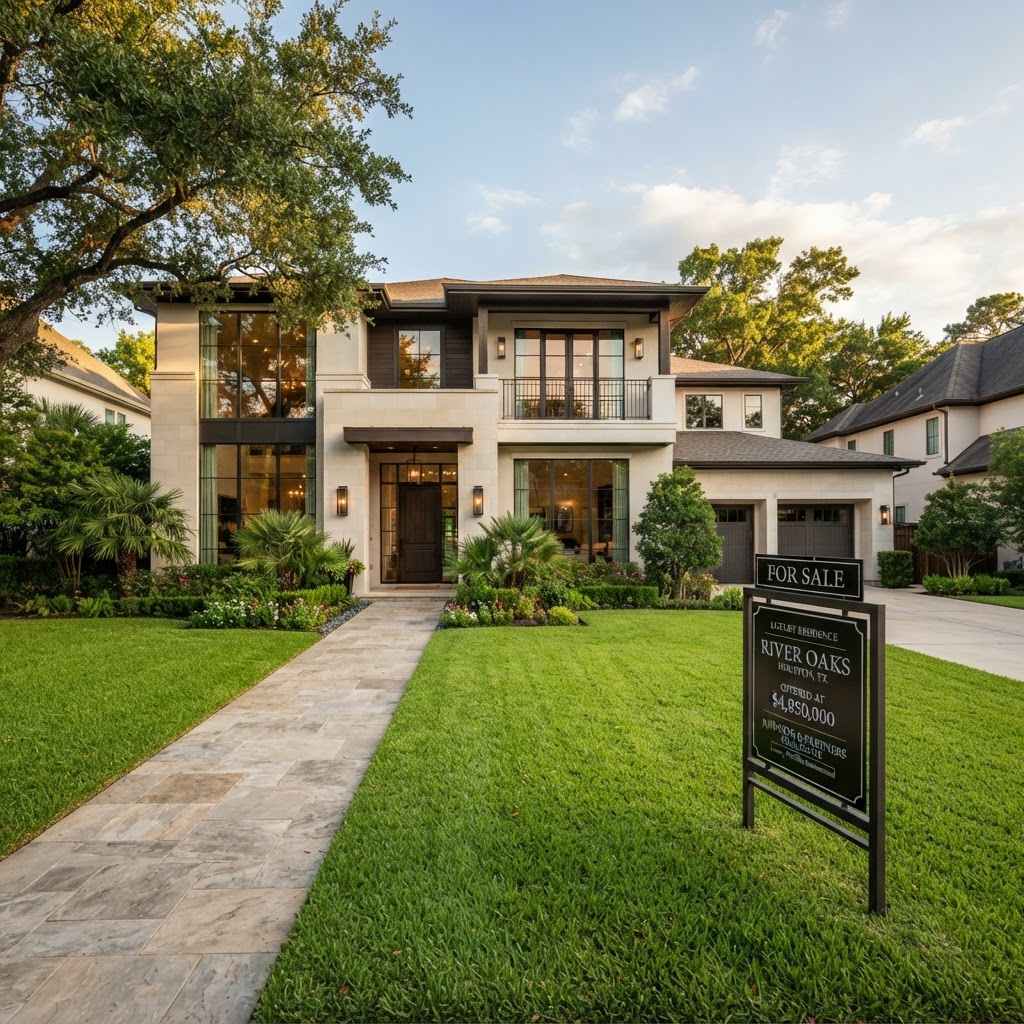
The Infrastructure Tax: Analyzing the Hidden Cost of Holding Luxury Real Estate in Meyerland and Braeswood
For many luxury homeowners, the default position has long been a "buy and hold" philosophy. However, in the current Houston economic landscape, holding costs are diverging from traditional appreciation models discussed in our Q3 2026 seller's playbook.
In 2026, we are observing a phenomenon we call the "Infrastructure Tax," where the escalating costs of municipal drainage mandates and localized resiliency requirements act as a silent erosion on equity.
The Anatomy of the Infrastructure Tax
Unlike standard property taxes, the Infrastructure Tax is a variable burden. It manifests in three distinct ways for high-net-worth homeowners.
Insurance Volatility
As carriers adjust premiums based on hyper-local flood modeling, the cost to maintain the asset is increasing faster than the market's rental or resale valuation. This shift necessitates a more sophisticated pricing strategy in a cooling market.
Capital Expenditure Ceiling
Future-proofing a home to meet 2030 drainage and elevation standards can quickly exceed the property’s current market value growth. This creates an improvement trap where you spend more to maintain value than the market will ultimately pay, even when attempting ROI-driven renovations.
The Liquidity Drag
When significant equity is trapped in a property facing mounting infrastructure risks, your ability to pivot into uncorrelated asset classes, such as industrial-adjacent land or tech-forward equity portfolios, is severely limited.
Modern Houston infrastructure requirements are fundamentally changing the cost of property ownership.
Beyond Simple Divestment: The Tactical Pivot
Strategic exiting is not just about selling. It is about reallocating capital into environments where the "Infrastructure Tax" is actually a value-add. For owners in Meyerland and Braeswood, the transition involves reframing asset value to evaluate whether your current home is a terminal asset or a pivot point.
If your property assessment indicates a flattening appreciation curve due to environmental factors, we help our clients execute a structured transition. This strategy focuses on converting stagnant home equity into high-velocity instruments. By leveraging timing arbitrage, sellers can capitalize on urban growth metrics that currently threaten residential ROI.
Assess Your Capital Position
To move beyond emotional ownership and into data-driven stewardship, our team utilizes a proprietary Infrastructure-Adjusted ROI Model. This tool isolates municipal mandate risks from neighborhood-wide market trends to provide a clearer picture of your property's lifecycle, similar to the data found in Houston’s Infrastructure Pulse.
Executing a sale now may allow you to capture the Houston exit arbitrage before these hidden costs become common market knowledge.
Luxury properties in Meyerland require a rigorous, data-driven approach to equity management in 2026.
To review a custom analysis of your property’s projected liquidity and risk profile, consult our Infrastructure Risk & Equity Report or connect with our Private Client Advisory team for a confidential review of your divestment strategy.
***
Nick Chambers
Broker Associate at Chambers Properties Group
The Chambers Review | Houston, TX