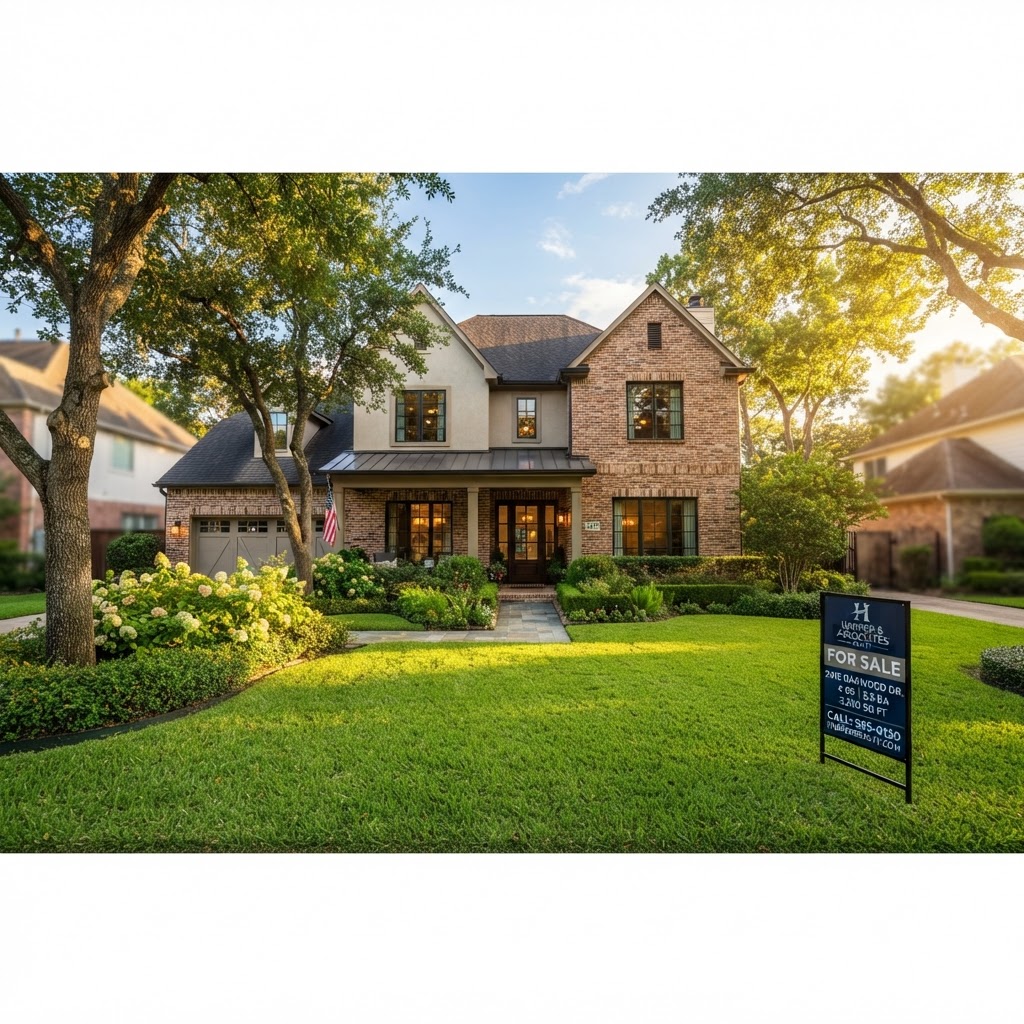
As Houston’s 2026 real estate landscape transitions into a post-incentive era, property owners are moving beyond simple aesthetic updates. Instead, the most sophisticated sellers are adopting the Divestment-Efficiency model, a strategy that treats the home sale as a complex tax-planning event rather than a consumer transaction.
While the forensic approach has dominated recent headlines, the real alpha in 2026 lies in tax-efficient wealth preservation and the strategic timing of capital deployment. For homeowners in corridors like Memorial and the Inner Loop, understanding the intersection of 2026 energy-code mandates and current asset valuation is the difference between a standard sale and a premium exit.
The Shift to Tax-Forward Divestment
The traditional seller’s focus has long been on the hammer price, the final number on the deed. However, for Houston’s high-net-worth sellers, the focus has shifted to the Net-After-Tax realization. By utilizing tax-deferred divestment strategies or identifying municipal tax credits for properties meeting specific resilience benchmarks, sellers can effectively subsidize their next acquisition.
Integrating these financial instruments requires a departure from the "staging-only" mindset. Owners who consult with tax advisors to bundle property records with structural compliance reports are effectively lowering the cost of entry for sophisticated buyers. Even when executing a pricing strategy in a cooling market, these fiscal preparations remain the primary driver of high-value offers.