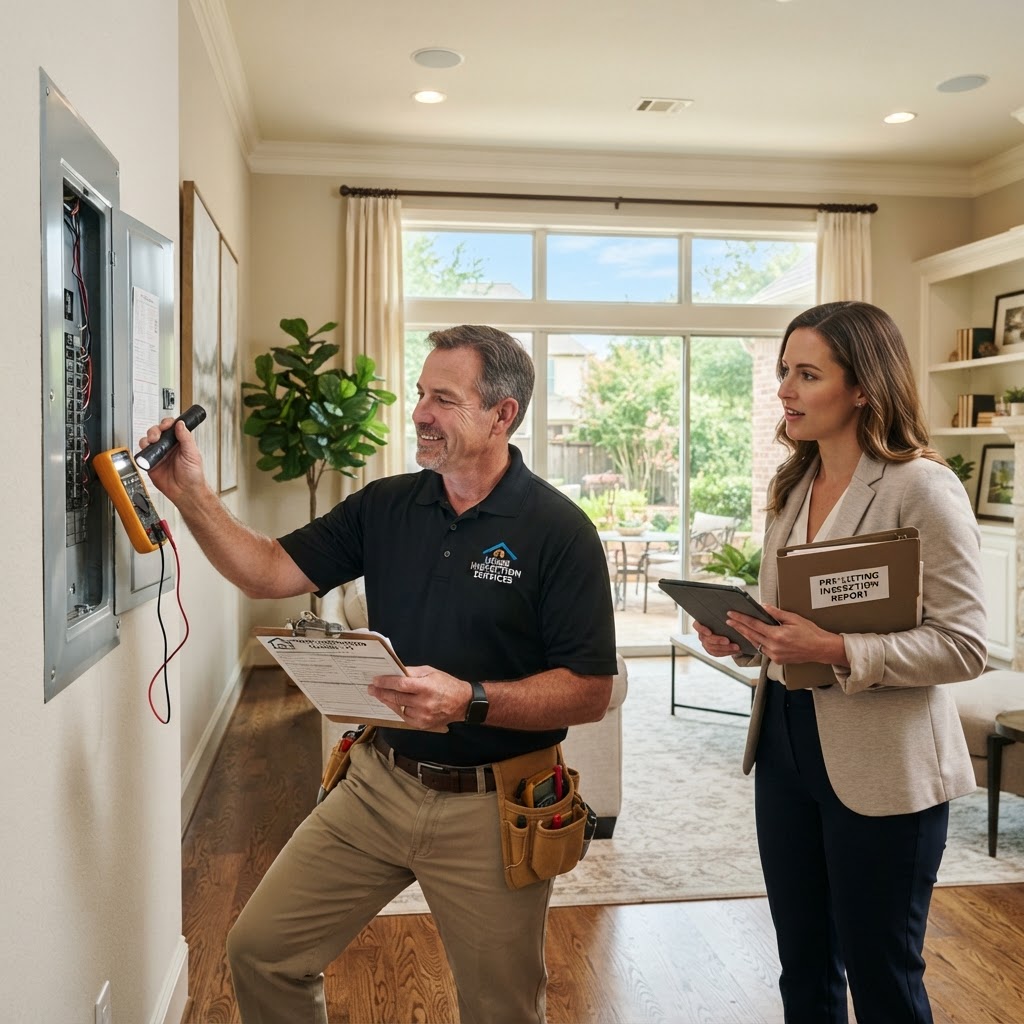
Beyond the Standard Inspection: A Tactical Approach for Houston Sellers
In the competitive 2026 Houston market, a simple home inspection report can be a double-edged sword. While some agents recommend a pre-listing inspection to catch potential deal-breakers, a more strategic approach focuses on Risk-Adjusted Value Optimization.
Instead of a generic checklist, savvy sellers in neighborhoods like River Oaks or The Heights are now conducting surgical, targeted assessments before they ever list their property. This approach is particularly effective when combined with a specific pricing strategy in a cooling market.
The 'Surgical Audit' Strategy
Rather than a full-home report that might unearth minor cosmetic flaws you aren't prepared to fix, focus your budget on a Surgical Audit. By isolating high-impact systems, specifically foundation integrity, HVAC cooling efficiency, and roof life expectancy, you control the narrative.
Providing these focused reports demonstrates proactive transparency without overwhelming a potential buyer with a list of non-essential repairs. This transparency is a cornerstone of maximizing Houston property value through ROI-driven renovations and ensuring your home meets modern buyer expectations.
Targeted assessments of high-impact systems like HVAC and foundations are becoming the gold standard for Houston luxury listings.
Controlling the Disclosure Narrative
Transparency is essential in Texas real estate, but context is king. A pre-listing audit allows you to gather professional estimates for necessary repairs before you enter negotiations.
When a buyer identifies a legitimate concern during their own due diligence, you are already equipped with a vetted vendor quote. This prevents the panic-induced price slashes that often occur during the Option Period. Modern sellers are also finding that prioritizing ESG compliance within these audits can further bolster the property's perceived resilience.
When to Skip the Pre-Listing Inspection
There are instances where a formal inspection creates more friction than value. In ultra-competitive, cash-heavy markets where properties move in days, adding an inspection report to your disclosures can inadvertently invite scrutiny on older homes that would otherwise be sold as-is.
If your strategy is to time your sale for peak Q4 value or price for a fixer-upper buyer pool, a pre-listing inspection may actually work against you. In these cases, mastering Houston’s off-market market might be a more effective path than a traditional listing process.
Providing focused reports demonstrates proactive transparency without overwhelming a potential buyer with a list of non-essential repairs.
Strategic Takeaway
Ultimately, the goal is to leverage data to maintain your listing price. Whether you opt for a full inspection or a targeted system audit, your goal should be to minimize the leverage a buyer has during the negotiation phase.
By managing your property's documentation proactively, you ensure that the transaction stays focused on value rather than repair hurdles. This is a vital component of the Q3 2026 seller’s playbook, especially as mortgage rates fluctuate and change the dynamics of buyer power.
Proactive documentation keeps the focus on the property's value, not its minor imperfections.
Nick Chambers
Broker Associate, Chambers Properties Group
The Chambers Review | Houston, TX