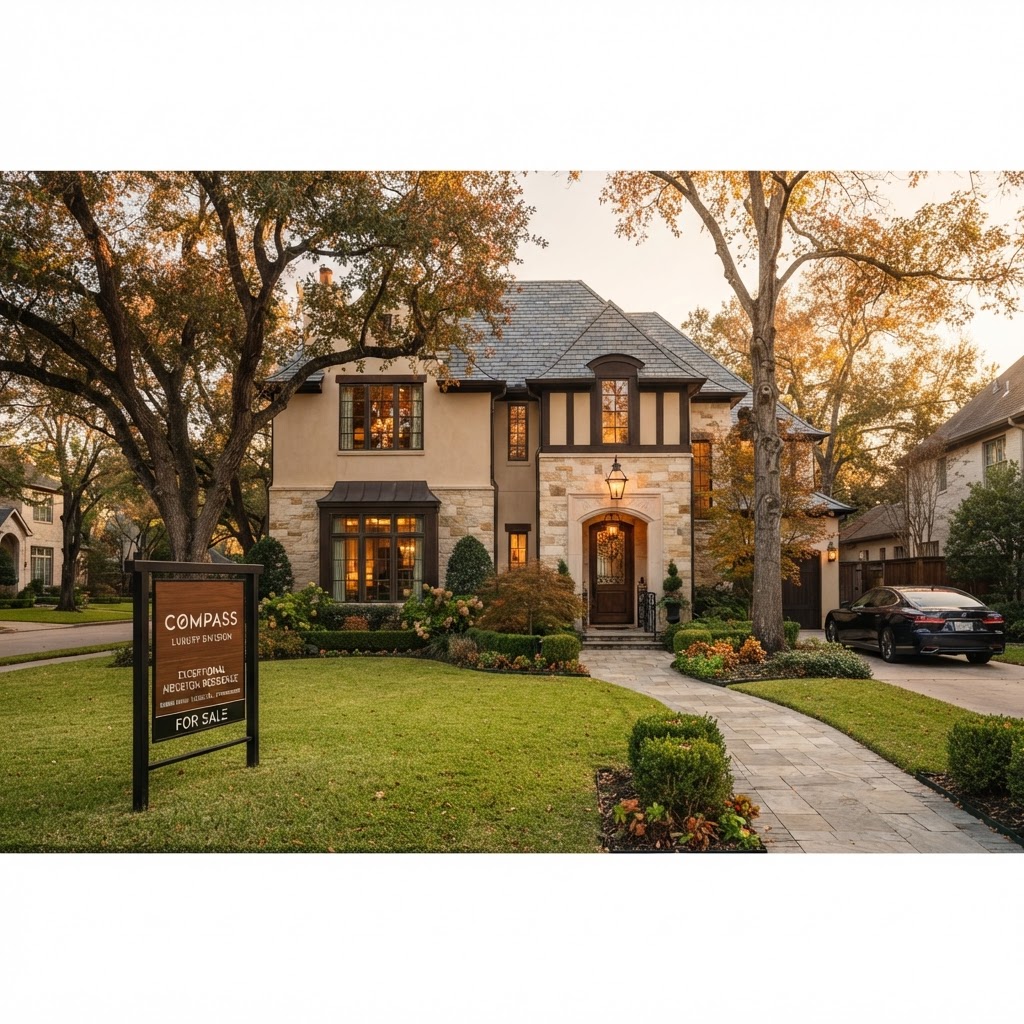
The Q4 Institutional Playbook: Transitioning Houston Luxury Estates into Premium Investment Assets
As we enter the final stretch of 2026, the Houston ultra luxury market in corridors like River Oaks and Memorial has shifted away from traditional listing strategies. Sophisticated, capital heavy buyers are no longer shopping for homes. They are screening for Institutional Grade Assets.
If your property is currently languishing on the market, it is likely because you are marketing a lifestyle, while your buyer is looking for a balance sheet.
The Shift to Asset Based Valuation
Luxury buyers in Q4 are often driven by tax loss harvesting and year end capital deployment. To capture their interest, sellers must pivot from aesthetic narratives to financial transparency.
You are no longer selling a house. You are selling an investment vehicle with quantifiable performance metrics. This requires a firm grasp on pricing strategy in a cooling market to remain competitive.
We define this shift through the Asset Dossier methodology. This involves a proactive collection of data that anticipates the buyer’s technical due diligence:
- Infrastructure Lifecycle Audits: Move beyond the new roof claim. Provide a comprehensive summary of HVAC, geothermal, and security grid efficiencies that demonstrate reduced OpEx for the next decade. This is especially vital when reframing asset value for ESG compliance.
- Yield Driven Upgrades: Frame high end finishes not as subjective design choices, but as capital improvements that mitigate future buyer maintenance expenses. Focus on ROI driven renovations to justify the ask.
- Risk Adjusted Provenance: Treat ownership history and renovation documentation as legal assets. In a high stakes environment, verifiable pedigree reduces the uncertainty discount often applied by institutional buyers.