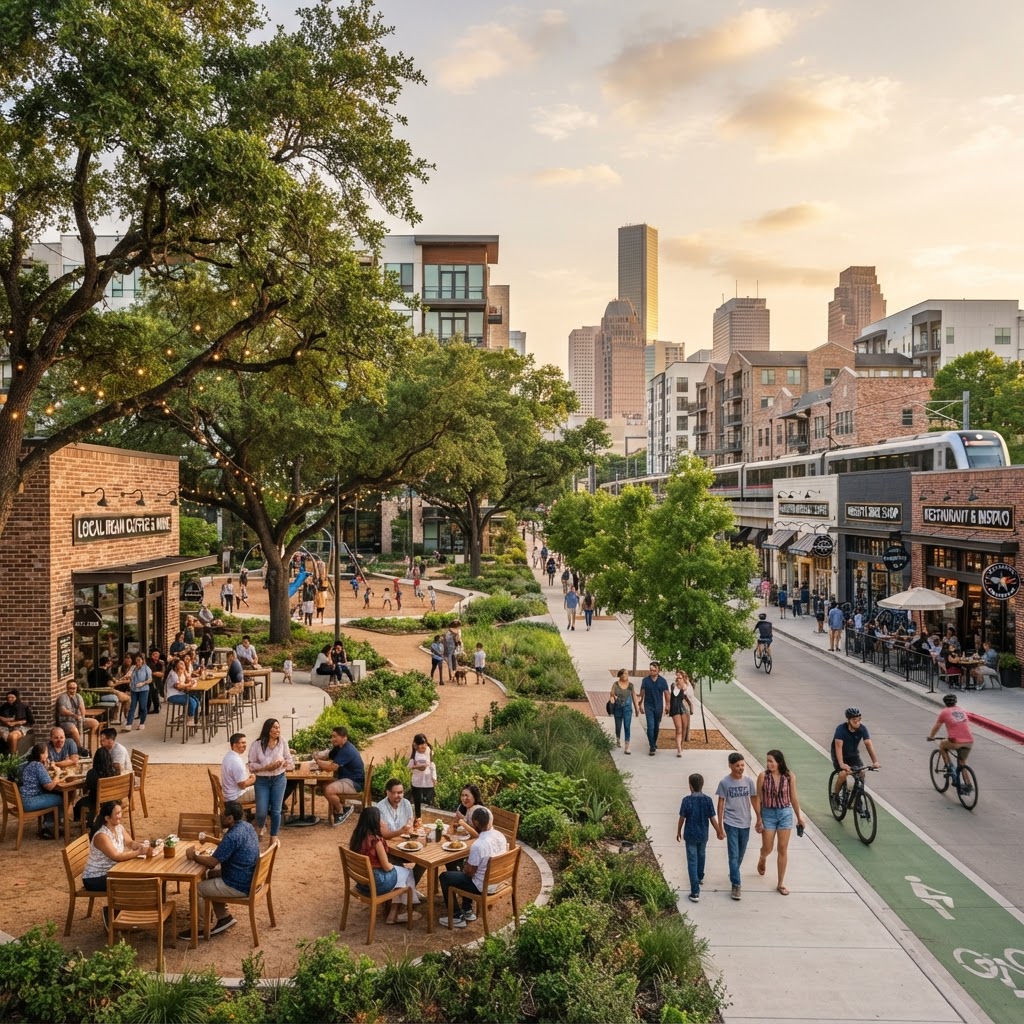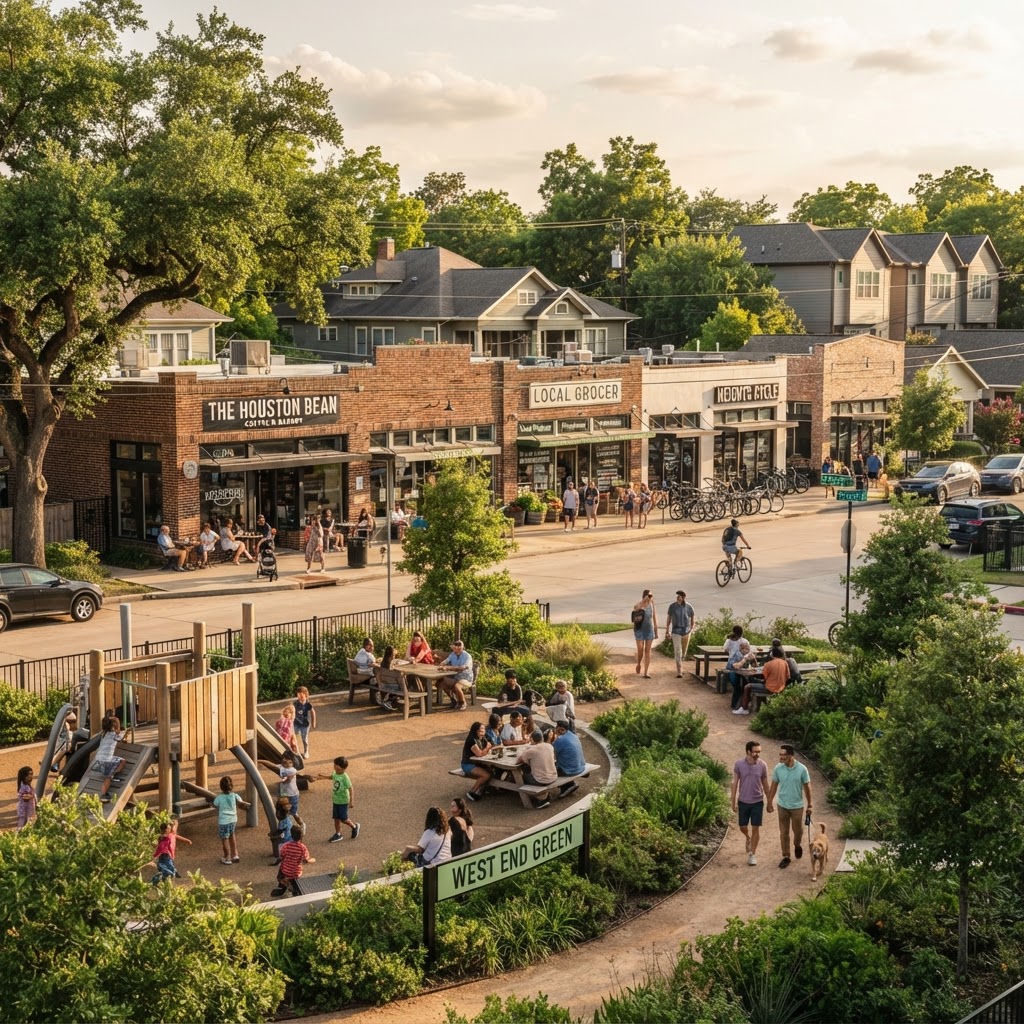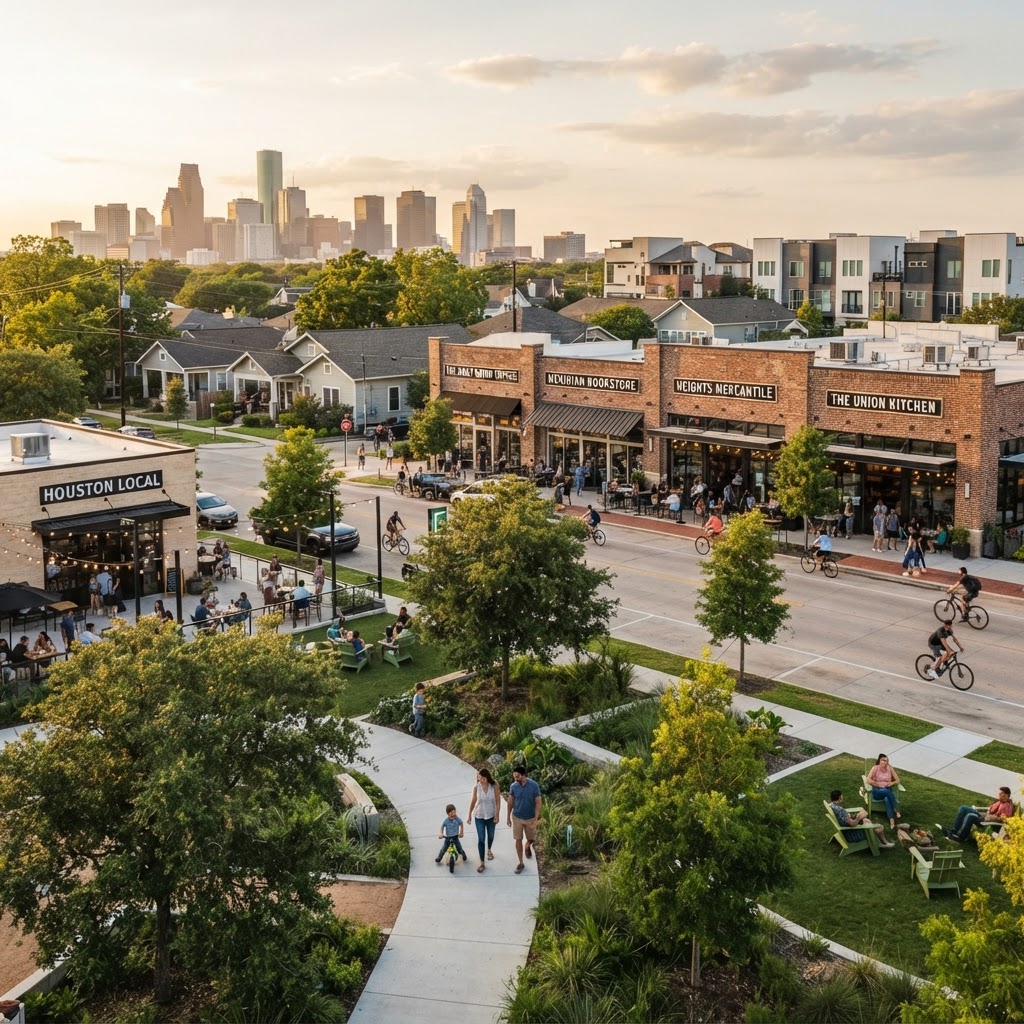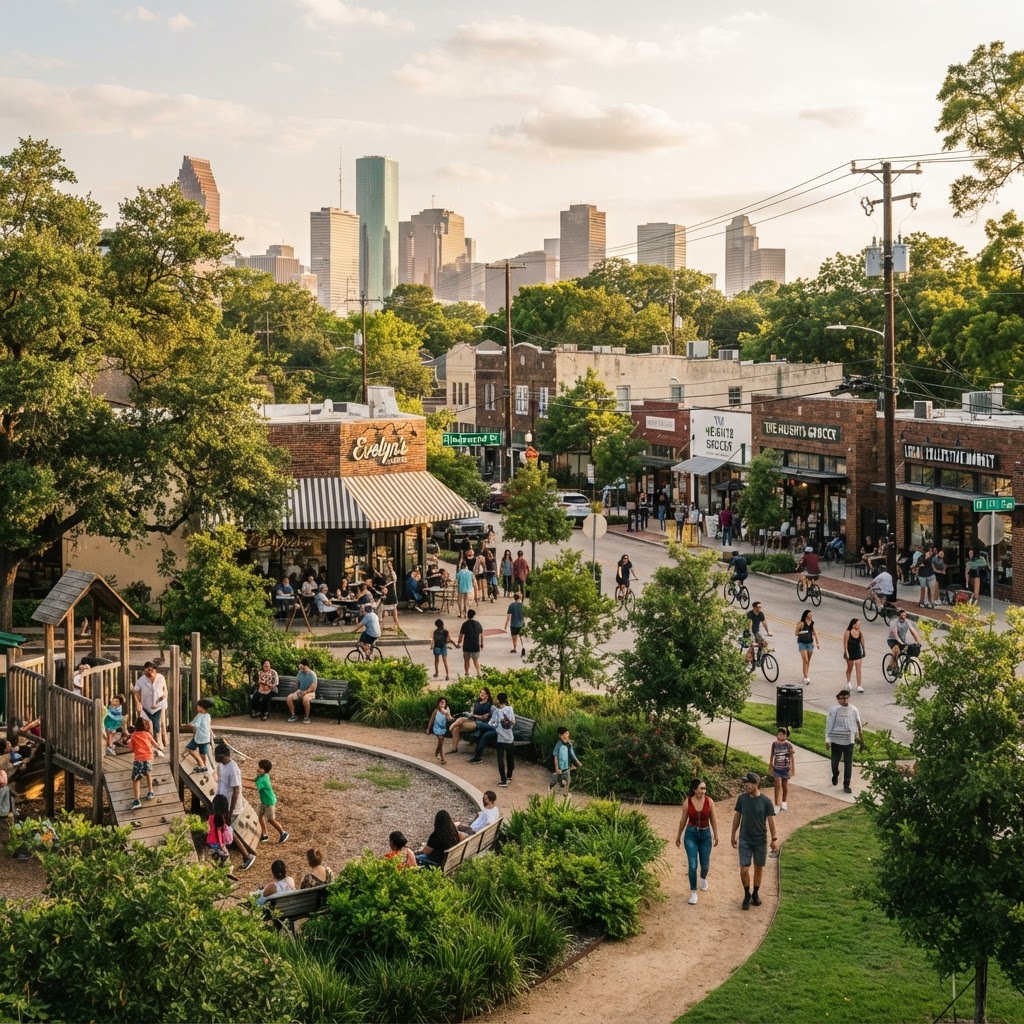
Houston is a city defined by constant evolution. As we approach the end of the decade, the landscape of this metropolis has shifted from a collection of sprawling districts into a sophisticated, interconnected ecosystem of high-value enclaves. For the relocating executive or the investor seeking stability, the 2028 market is no longer dictated by geography alone. It is defined by a convergence of infrastructure, climate resilience, and the emergence of what experts call the Third Space, those critical environments between work and home that elevate daily living.
In the current 2028 market, the data reveals a fundamental pivot. The premium once placed purely on proximity to the central business district is now shared with lifestyle-centric nodes near the Innovation Corridor and the sprawling, modernized suburban hubs. As your advisor, my role is to distill this complex data into a clear strategy. Whether you are seeking long term asset appreciation or a family home that balances logistical efficiency with luxury, understanding these micro markets is essential. Explore Houston neighborhoods to see how these transitions are reshaping our city.
The 2028 Neighborhood Valuation Framework
The valuation of real estate in Houston has moved beyond the simple metric of price per square foot. We are now in an era of lifestyle utility. Property values are increasingly correlated with walkability scores, access to green spaces, and proximity to the Innovation Corridor, which has transformed the way Houstonians interact with their city. When analyzing a prospective purchase, we examine how a property functions as an asset within its specific local ecosystem.
Data from the first half of 2028 indicates that homes within a 15 minute radius of the Innovation Corridor have seen a 12 percent increase in demand. These buyers are prioritizing proximity to research institutions and tech clusters. The median price in these high demand zones currently sits at 985,000 dollars, with inventory levels tightening to approximately 2.4 months of supply. This reflects a market where high net worth professionals are not merely buying space, they are buying time.
Traditional luxury strongholds like River Oaks continue to hold their value through scarcity and legacy, maintaining a median price point of 2.8 million dollars. However, the surrounding areas are evolving. The key to our current advisory framework is the integration of predictive sentiment analysis. We look for neighborhoods where infrastructure investment meets lifestyle demand. By focusing on areas where public investment in drainage and connectivity aligns with private residential demand, we identify assets with higher liquidity and lower volatility. Book a strategy call to analyze these trends in relation to your specific financial goals.
Inner Loop vs. Outer Loop Dynamics
The narrative of Houston real estate has long been a binary choice between the Inner Loop and the sprawling suburbs. By 2028, this distinction has blurred significantly. The rise of the Third Space has shifted the center of gravity. Residents are seeking environments that provide a seamless blend of residential comfort and high end amenity access. The Heights and Montrose remain the primary beneficiaries of this shift. These neighborhoods have matured into self sustaining nodes where the median days on market for premium inventory currently averages 38 days.
Conversely, the areas just beyond the outer loop have seen a massive infusion of capital. This is not the sprawl of the past. It is a calculated expansion of high density amenities. The suburban luxury market, particularly in sections near Memorial, offers a different value proposition. Here, the focus is on expansive lots and private retreats that remain connected to the city core through improved transit corridors. The inventory in these established enclaves remains stable, with median prices hovering around 1.2 million dollars.
The shift is driven by the desire for autonomy. Professionals want the ability to work from home with sophisticated infrastructure, while retaining the capability to reach a diverse culinary or cultural venue in under 20 minutes. This balance is what drives the asset retention we observe in our current market analysis. The demand for these locations is not speculative. It is rooted in the practical realities of modern professional life. Start your home search to view current listings that align with these high retention profiles.
Climate Resilience as a Market Driver
In the Houston market of 2028, climate resilience is a primary line item in any financial assessment. We no longer view drainage improvements or sustainable infrastructure as optional amenities. They are essential components of long term property desirability. Neighborhoods that have benefited from recent city wide investments in storm water management, such as portions of West University Place, have seen a quantifiable uptick in institutional investment. This infrastructure focus serves as a safeguard for asset values, mitigating risks that previously impacted buyer sentiment.
Data shows that neighborhoods with verified, modernized drainage infrastructure now command a premium of roughly 8 percent over comparable properties in less resilient zones. This is not just about avoiding risk. It is about the comfort of knowing that your residence is supported by a robust public framework. Buyers are now performing due diligence on elevation certificates and watershed proximity with the same intensity they apply to school district research.
When I advise clients on where to allocate capital, we look for areas where the city has demonstrated a commitment to long term sustainability. This includes smart street lighting, permeable pavement initiatives, and expanded green drainage corridors. These physical improvements create a stable environment that appeals to long term homeowners who intend to remain in their properties for a decade or more. When your home is protected by modern infrastructure, your lifestyle remains consistent regardless of external climate events.
School District Parity and Private School Access
The educational landscape in Houston has undergone a significant transformation by 2028. While school district boundaries remain a factor for many families, the concentration of top tier private and independent school options has altered the competitive landscape. Neighborhoods such as Bellaire have maintained their prestige due to a combination of public school performance and an exceptional density of private school options within a 5 mile radius.
We observe a pattern where families are prioritizing the overall educational ecosystem rather than relying solely on a single public attendance zone. This shift allows for a more flexible home search process. We are now able to consider neighborhoods that offer superior architectural quality and lifestyle amenities, provided they exist within the orbit of highly regarded private institutions. This parity between high performing public districts and accessible private alternatives has broadened the inventory available to our clients.
The data suggests that homes located in proximity to these educational hubs see a consistent annual appreciation of 4 to 6 percent. This reflects the durable demand from families who seek both high end living environments and stable educational pathways. Whether you prioritize a specific public district or a private school corridor, our strategy focuses on mapping these educational nodes to your desired lifestyle, ensuring that your real estate decision supports both your immediate family needs and your long term asset goals.
Future-Proofing via Connectivity
Connectivity in 2028 is the lifeblood of property appreciation. With the expansion of regional transport corridors and the optimization of high speed commuter lanes, the distance between the suburbs and the city center has effectively shrunk. This improvement in connectivity has opened up new residential enclaves that were previously overlooked due to commute concerns. Neighborhoods that are positioned along these expanded transport arteries are experiencing a sustained increase in rental yields and home equity.
The influence of connectivity on asset value is most visible in the data regarding move in ready properties. Homes located within a 10 minute radius of major transport interchanges have an average inventory turnaround time of 32 days, which is significantly faster than the broader city average. This data point underscores the value professionals place on efficiency. When you can optimize your daily commute, you are essentially purchasing time, which is the most valuable commodity for the modern executive.
We analyze transport expansion plans to identify neighborhoods that are poised for this transition before it is fully reflected in the broader market pricing. This forward looking strategy allows our clients to enter markets that are on the verge of significant appreciation. By anticipating where the next wave of infrastructure will improve accessibility, we position our clients for long term gains while they enjoy the immediate benefits of a well connected, high quality living environment.
Nick Chambers’ Neighborhood Assessment Strategy
At Realty of America, we do not rely on lagging indicators. My assessment strategy for the Houston market is built on hyper local sentiment analysis and predictive inventory modeling. We track how residential preferences change in real time, noting the migration of high net worth households into specific neighborhoods before those shifts move the needle on median price points. This allows us to guide our clients toward assets that are not just desirable today, but are positioned for sustainable growth over the next decade.
The core of our approach is the 'Lifestyle ROI' metric. We quantify the intangible benefits of a neighborhood, such as access to specific lifestyle amenities, community vibrancy, and long term stability, and balance these against the raw financial data of property taxes, insurance, and historical appreciation rates. This provides a holistic view of the investment. We are looking for homes that perform as excellent financial instruments while providing the daily lifestyle experience our clients demand.
Ready to talk strategy? Book your free consultation or get your instant home valuation.
Listen on the Go
The Chambers Review Podcast
This week: The Resurgence of Adaptive Reuse: Transforming Houston’s Aging Industrial Corridors into High-End Residential Enclaves
As Houston’s inner-loop land values reach historic highs, developers and sophisticated investors are pivoting from demolition to design,...
Listen to the Latest EpisodeExplore Houston Neighborhoods
Find your perfect neighborhood
By Nick Chambers, Broker Associate, Nick Chambers, Broker Associate, Realty Of America (ROA) · Realty of America