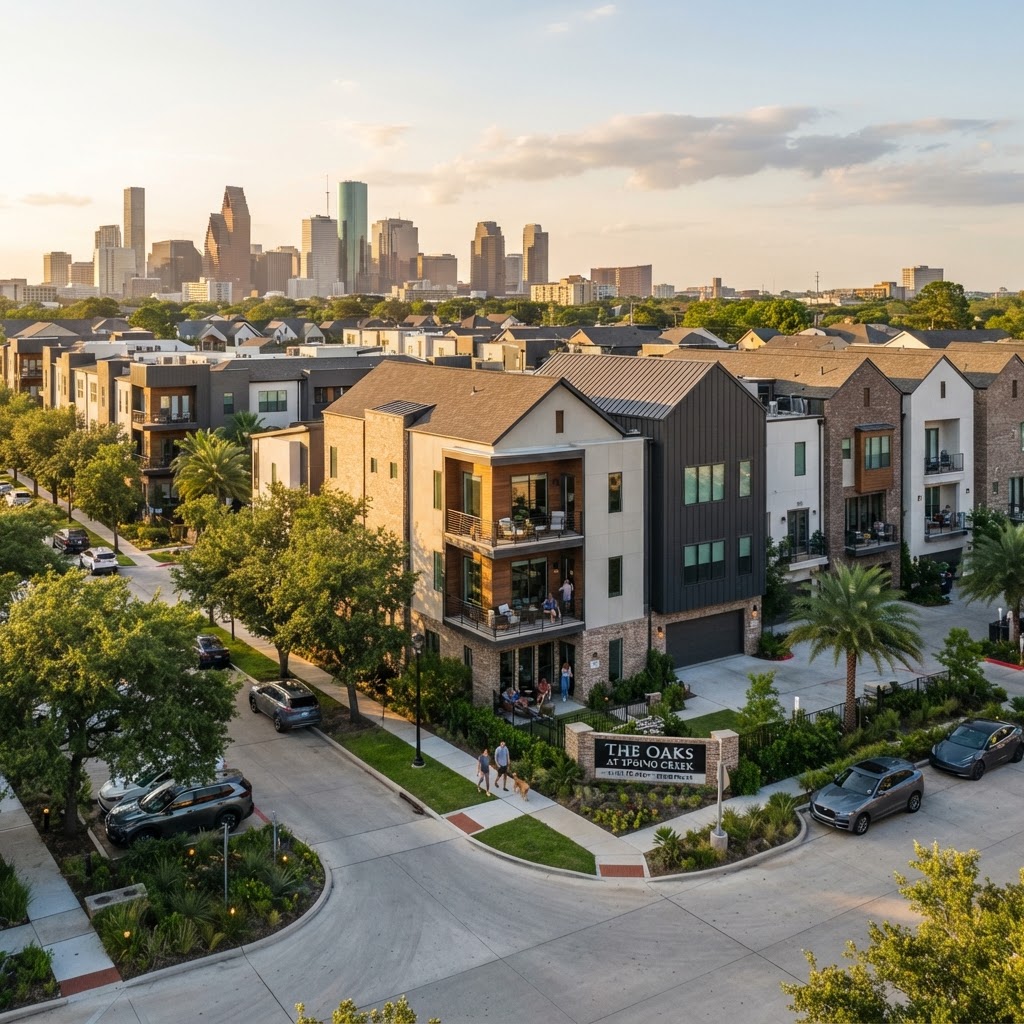
The landscape of residential investment in Houston has shifted dramatically as we navigate the economic climate of 2027. While many investors remain tethered to traditional apartment complexes, a smarter capital allocation strategy is emerging within the horizontal rental space. This article explores the nuanced financial mechanics of the Build to Rent (BTR) model, focusing specifically on how high net worth individuals can leverage detached residential assets to outperform the broader Houston rental market. By moving away from high density vertical structures and toward planned communities, investors are finding paths to lower turnover costs and superior asset longevity. This is not merely a trend of suburban sprawl. It is a calculated response to the sophisticated demands of the 2027 renter. Modern tenants in areas such as Cypress or Katy are prioritizing private outdoor space and detached walls, yet they require the professional management associated with class A apartment living. For the savvy investor, this shift presents a massive opportunity to capture long term stability while benefiting from the unique tax and operational advantages of single family asset management. ## Capitalizing on Horizontal Residential Assets The fundamental challenge with traditional multi family investments in Houston is the cost of constant unit turnover and the significant capital expenditure required to maintain aging common areas. Horizontal BTR communities effectively solve these pain points by offering a product that functions like a residential neighborhood but operates with the administrative simplicity of a managed apartment complex. By 2027, the data indicates that renters in these communities stay 2 to 3 times longer than those in urban high rises. This creates a predictable cash flow stream that serves as a hedge against the volatility seen in other segments of the real estate market. The strategy here is not just about ownership, but about creating an ecosystem of tenant retention. When you provide families with dedicated yard space and neighborhood amenities, you are selling a lifestyle rather than just a roof. This leads to higher net operating income as the need for interior paint, flooring, and appliance upgrades is reduced over the life of the asset. ## Navigating Houston Site Selection and Infrastructure Securing the right land in Houston requires a deep understanding of the unique development constraints within the region. Since Houston does not utilize traditional zoning, investors must become experts in managing deed restrictions and infrastructure permitting. When scouting potential BTR sites, your primary focus should be on utility accessibility. You must ensure that every parcel has clear, verified connections to municipal water and sewage. Furthermore, in the current 2027 market, the availability of high speed data infrastructure is a requirement for any residential community. If you are looking to scale your portfolio, you should analyze the growth corridors in the outer reaches of Harris County where land values are currently lower but accessibility to major employment hubs is increasing. One of the most common mistakes I see investors make is failing to account for the impact of local drainage requirements. Houston has strict mandates regarding site elevation and storm water management. Failing to conduct a thorough geotechnical analysis before finalizing your purchase will likely result in cost overruns that destroy your projected margins. My advice is to work with engineering partners who have a proven track record in residential subdivision development. They can provide the necessary foresight to ensure your project stays within the initial budget. By selecting sites that are already primed for residential utility expansion, you shorten your development timeline and improve your internal rate of return. ## Building for Long Term Yield The financial success of a BTR project depends on your ability to balance construction quality with operating costs. Overbuilding with high end finishes can lead to a pricing disconnect in the rental market, while opting for inferior materials will drive up your long term maintenance expenses. The target should be a middle ground, providing durable materials that handle high traffic and are easy to maintain between tenants. By focusing on smart home features and energy efficient climate control systems, you can also attract tenants who are willing to pay a premium for reduced utility bills. This creates a competitive advantage that traditional rental homes often lack. As the Houston market matures, the differentiation between a well planned BTR community and a collection of scattered rental homes will become increasingly obvious to the market. The former offers a cohesive, managed environment that commands a higher monthly rent and enjoys a lower vacancy rate. If you are ready to explore how to integrate these assets into your existing investment portfolio, reach out to my team at Realty Of America. We specialize in identifying high growth opportunities that align with your long term financial goals. By Nick Chambers, Broker Associate, Realty Of America (ROA) · Realty of America. ### Connect with Nick Chambers If you are ready to refine your 2027 investment strategy, let us discuss your specific portfolio needs. Whether you are seeking off market land opportunities or require an expert assessment of current rental yields, I am here to provide the local data and professional guidance you need. Contact me today to schedule your private consultation.
Explore More from Nick Chambers, Broker Associate, Realty Of America (ROA)
Houston Home Selling Strategy
Strategic pricing & net-proceeds analysis
Learn moreHouston Buyer Representation
Off-market access & expert negotiation
Learn moreHouston Investment Properties
Cap rate analysis & portfolio roadmapping
Learn moreHouston Relocation Services
Corporate, medical & executive moves
Learn moreChambers Institute Classes
CE courses & buyer/seller workshops
Learn moreRelated Articles
Houston Cash Flow Playbook: 2027 Multifamily Investment Strategy
Discover specialized 2027 Houston industrial and multifamily investment strategies. Move beyond basic cash flow and explore tax advantaged syndication for portfolio growth.
Read article
Houston BRRRR Investing: A 2027 Strategy for Portfolio Scaling
Explore advanced strategies for optimizing residential assets in Houston for 2027. Learn how to leverage market data and repositioning techniques for portfolio growth.
Read article
Houston Portfolio Growth: A 2027 Strategy for BRRRR Success
Navigate the 2027 Houston investment landscape with a focus on tactical rehab and surgical acquisition. Learn how to optimize your BRRRR strategy for yield.
Read article